
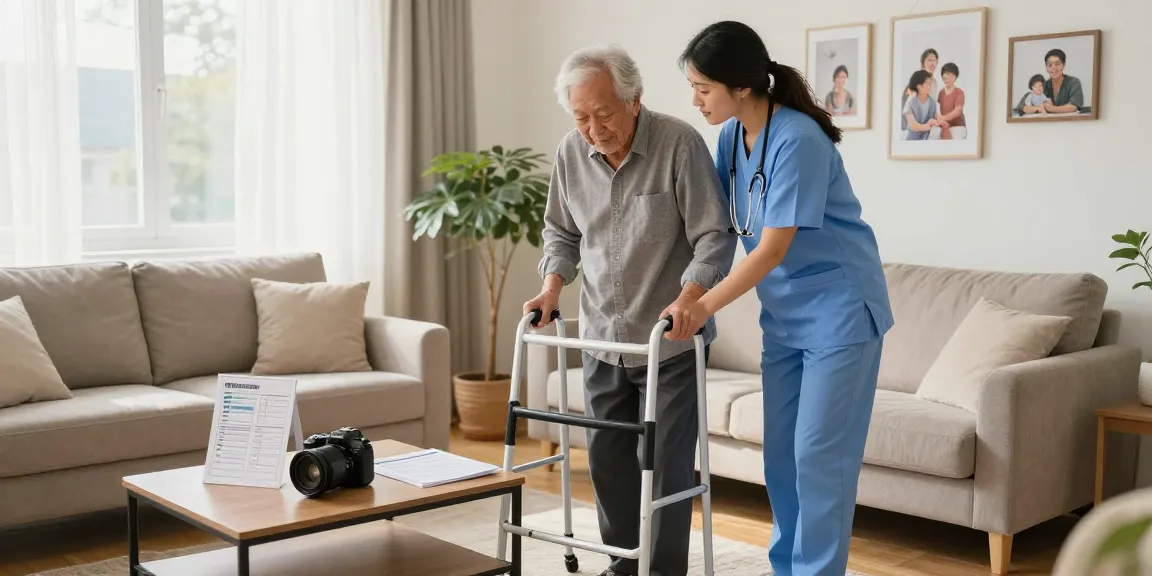
The Importance of Shoppers Home Health Equipment
Ensuring the comfort and well-being of individuals in their own homes is paramount, especially when it comes to health care. As the population ages and chronic conditions become more prevalent, the demand for shoppers home health equipment grows. This equipment not only facilitates independent living but also enhances the quality of care provided within the home environment. Understanding the nuances of home health care needs, the role of equipment in improving quality of life, and the essential features to look for can be life-changing for both patients and caregivers alike.
Understanding Home Health Care Needs
Home health care is increasingly becoming a preferred option for many individuals seeking a better quality of life while managing health issues. This approach allows patients to stay in familiar surroundings while receiving the necessary medical attention and assistance. Factors such as mobility limitations, chronic illnesses, and recovery from surgeries necessitate a range of supportive equipment tailored to individual needs.
By identifying specific health care needs, caregivers can effectively choose the right equipment that aligns with the patient’s requirements. Whether it’s mobility aids, monitoring devices, or daily living aids, understanding these needs is crucial for enhancing both the patient and caregiver experience.
How Equipment Enhances Quality of Life
Shoppers home health equipment plays a significant role in promoting independence and safety for individuals who may otherwise rely heavily on caregivers. For instance, mobility aids like walkers and wheelchairs enable individuals to navigate their homes and communities with ease, fostering a sense of autonomy. Additionally, daily living aids assist with everyday tasks, ensuring that patients can maintain their personal hygiene and overall dignity.
Moreover, the introduction of modern monitoring devices allows for constant health tracking, enhancing the response times in emergencies and fostering peace of mind for both patients and their families. Together, these benefits lead to improved mental health, reduced caregiver stress, and overall better health outcomes.
Identifying Key Features in Home Health Equipment
When selecting home health equipment, it is important to consider several key features that can significantly impact its effectiveness and usability. These features may include:
- Usability: Equipment should be easy to operate for both the patient and caregivers.
- Adjustability: Many products offer adjustable settings to cater to different needs and sizes.
- Durability: Given the frequent use of this equipment, durability is crucial to ensure longevity.
- Safety Features: Equipment should include features that minimize the risk of injuries, such as non-slip surfaces and sturdy support.
- Weight Capacity: Understanding the weight limits of mobility aids and other equipment is essential for safe usage.
Types of Shoppers Home Health Equipment
Mobility Aids: Walkers and Wheelchairs
Mobility aids are crucial for individuals with varying degrees of physical limitations. Walkers, wheelchairs, and scooters are important tools that provide the support necessary to navigate both indoor and outdoor spaces safely.
Walkers, often lightweight and easy to fold, give users stability as they move about their homes. In contrast, wheelchairs can be manual or powered, accommodating a wider range of mobility needs. Individuals must consider their specific requirements, including weight capacity and preferred mobility style when making a selection.
Daily Living Aids: Bathing and Dressing Equipment
Daily living aids are designed to assist individuals with routine tasks that may become challenging due to health conditions. Equipment such as shower chairs, grab bars, and dressing aids are invaluable for promoting independence in personal care activities.
These tools not only make daily tasks easier but also ensure that individuals can maintain their privacy and dignity during personal care activities. Choosing the right daily living aids can lead to significant improvements in the overall quality of life.
Monitoring Devices: Vital Signs and Safety
Monitoring devices such as blood pressure monitors, pulse oximeters, and fall detection systems play a vital role in home health care. These devices allow for the regular monitoring of essential health metrics, providing crucial data that helps in timely interventions when necessary.
In addition to vital signs monitoring, safety devices like emergency alert systems can offer peace of mind, ensuring that help is readily available in case of mishaps. Integration of these devices into daily life can significantly enhance the safety and well-being of individuals at home.
Evaluating Shoppers Home Health Equipment
Top Brands and Their Offerings
When investing in home health equipment, it is essential to evaluate brands known for their reliability and innovation. Companies like Invacare, Drive Medical, and Medline are among the leaders in providing high-quality home health solutions. Each brand offers a range of products that cater to diverse needs, ensuring that patients receive equipment that aligns with their individual requirements.
Additionally, exploring newer companies that focus on innovative solutions can lead to exciting discoveries in home health care technology. Continuous advancements have increasingly led to products that are more user-friendly and designed to enhance quality of life.
Comparative Analysis of Features and Costs
Conducting a comparative analysis of features and costs is an integral part of selecting home health equipment. Understanding the value of various features compared to their costs helps caregivers make informed decisions.
For example, while some walkers may be more expensive due to added features like built-in seats or storage, they might save users from having to purchase additional mobility solutions. Effectively weighing cost against usability can guide caregivers and patients to choose the best equipment for their budgets and needs.
User Reviews and Real-Life Experiences
Real-life experiences and user reviews provide valuable insights that aid potential buyers in their decision-making process. Engaging with communities online, such as forums and review websites, can offer firsthand accounts of how specific products perform in everyday situations.
These insights can highlight not only the effectiveness of the equipment but also potential challenges users may encounter. Learning from others can lead to better choices and improvements in user satisfaction.
Best Practices for Using Home Health Equipment
Training Family Members and Caregivers
Education and training for family members and caregivers on how to properly use home health equipment is critical. Providing detailed guidelines and instruction can help prevent accidents and ensure that equipment is used efficiently.
Regular training sessions can reinforce best practices and make caregivers feel more confident in their abilities to provide care. This preparation also enables family members to assist more effectively, improving the overall caregiving experience.
Maintaining and Caring for Equipment
Proper maintenance of home health equipment extends its lifespan and ensures optimal performance. Regular checks for wear and tear, cleaning, and adherence to manufacturer guidelines are essential practices.
Additionally, caregivers should familiarize themselves with troubleshooting techniques and have access to customer service for when issues arise. Consistent care and maintenance yield better safety and reliability for users.
Ensuring Safety at Home with Equipment
Creating a safe living environment is paramount when utilizing home health equipment. Caregivers should conduct regular assessments of the home to identify potential hazards, ensuring the space remains safe and accessible for individuals using mobility aids or other equipment.
Incorporating features like non-slip mats, properly installed grab bars, and adequate lighting can significantly reduce the risk of accidents. Safety should always be a top priority for anyone using home health solutions.
Future Trends in Home Health Equipment
Technological Innovations Coming in 2026
The future of home health equipment is bright, with exciting technological innovations on the horizon. In 2026, we can anticipate advancements such as integrated health monitoring systems that connect seamlessly with mobile apps, allowing for real-time data sharing with healthcare providers.
Furthermore, innovations in smart home technology will likely enhance the capabilities of home health equipment, creating an interconnected ecosystem focused on patient safety and comfort.
How to Stay Updated on New Equipment
Staying informed about new developments in home health equipment is crucial for caregivers and individuals alike. Following industry publications, joining relevant social media groups, and attending health expos can provide valuable information and updates on the latest products and trends.
Engaging with experts and organizations in health care can also shed light on new technologies and innovative approaches to home care, ensuring that users have access to the best solutions available.
Integrating Smart Technology in Home Care
Smart technology is revolutionizing home health care, providing tools that enhance daily living for patients. Devices such as smart pill dispensers, health monitoring wearables, and even voice-activated assistants are examples of how technology can improve health management at home.
These technologies not only facilitate easier medication management but also promote engagement and compliance in taking care of health needs, which is essential for individuals managing chronic conditions.
What Are the Future Challenges in the Industry?
Despite the advancements, there are challenges that the home health equipment industry must address, including affordability, accessibility, and education about new technologies. Ensuring that all individuals can access high-quality care equipment regardless of financial constraints remains a primary concern.
Furthermore, with the rapid pace of innovation, keeping caregivers and users educated on how to utilize new tools effectively is an ongoing challenge that must be met.
What Are the Key Features to Look for in Home Health Equipment?
As discussed, identifying key features is vital when selecting home health equipment. Users should look for equipment that emphasizes ease of use, safety, and functionality tailored to their specific needs. Features like portability, user-friendly interfaces, and customizable options can greatly enhance the experience.
Having access to the right features ensures that users are empowered, facilitating a more independent lifestyle and improved care outcomes.
How Does Home Health Equipment Impact Caregiver Stress?
Effective home health equipment can significantly reduce caregiver stress by streamlining tasks and enhancing the quality of care provided. When caregivers have reliable tools that minimize heavy lifting and promote safety, their workload becomes more manageable.
This reduction in stress not only benefits caregivers but also leads to better care for patients, creating a healthier environment for everyone involved.
Are There Financial Assistance Programs for Home Health Equipment?
Understanding financial assistance options for home health equipment can ease the burden for many families. Various programs, including Medicaid, Medicare, and local community initiatives, may provide financial support or reimbursement for essential equipment.
Researching available programs and seeking guidance from healthcare professionals can help families navigate these options effectively, ensuring they can acquire the necessary equipment even with limited resources.
What Are the Best Practices for Using Shoppers Home Health Equipment?
Best practices include consistent training, proper maintenance, and ongoing communication among caregivers, patients, and healthcare providers. Regularly reassessing equipment needs based on changes in health status ensures that users continue to benefit from the right tools.
By leveraging these practices, individuals can significantly enhance their home health care experience, optimizing the benefits of the equipment available to them.
What Innovations Can We Expect in Home Health Equipment by 2026?
The ongoing trends towards personalization in health care will likely lead to increased customization options in home health equipment, allowing for tailor-made solutions that cater specifically to individual health needs. Additionally, wearable technologies are expected to evolve, providing even more data and insights into user health, thus supporting proactive management of conditions.
As the industry continues to innovate, staying informed and engaged will be essential for caregivers and patients alike to adequately prepare for these exciting changes.
