
Understanding the Basics of EV Technology
As the world increasingly shifts towards sustainable energy solutions, the importance of EV technology cannot be overstated. Electric vehicles (EVs) are at the forefront of this transition, offering a cleaner alternative to traditional combustion engines. By understanding what constitutes EV technology, individuals can better appreciate its significance in today’s automotive landscape.
What is EV Technology?
EV technology encompasses a range of innovations that enable the operation of electric vehicles. At its core, EV technology refers to the systems that allow an electric vehicle to operate using an electric motor powered by batteries. This includes everything from the physical components such as the battery, motor, and drive system, to the software that manages energy consumption and regenerative braking systems. The shift to electric vehicles is driven by the need for more efficient transportation solutions that reduce greenhouse gas emissions.
Types of Electric Vehicles: An Overview
- Battery Electric Vehicles (BEVs): These vehicles are fully electric and rely entirely on battery power, producing zero tailpipe emissions. They are quickly gaining popularity due to advancements in battery technology that extend their range and efficiency.
- Plug-in Hybrid Electric Vehicles (PHEVs): PHEVs combine a conventional internal combustion engine with an electric motor. They can operate on electric power alone for short distances, and switch to gasoline or diesel for longer trips.
- Hybrid Electric Vehicles (HEVs): Similar to PHEVs, HEVs use both an electric motor and a traditional engine, but they cannot be plugged in to recharge. Instead, they charge through regenerative braking and the engine.
- Fuel Cell Electric Vehicles (FCEVs): FCEVs utilize hydrogen fuel cells to generate electricity, which powers the vehicle. They emit only water vapor and are seen as a promising alternative to battery-powered cars.
The Importance of Battery Technology in EVs
Battery technology is a critical aspect of EVs, as it directly influences their efficiency, range, and overall performance. Current advancements focus on increasing energy density, reducing charging times, and enhancing the lifecycle of batteries. For instance, lithium-ion batteries dominate the market, yet research into solid-state batteries promises even greater benefits, including higher safety and efficiency. As battery technology continues to evolve, it will play a pivotal role in shaping the future of electric vehicles.
Current Trends in EV Technology
The landscape of EV technology is rapidly changing, driven by consumer demand, regulatory pressures, and technological advancements. Several trends are shaping the development and adoption of electric vehicles in the coming years.
Smart Charging Solutions for Urban Areas
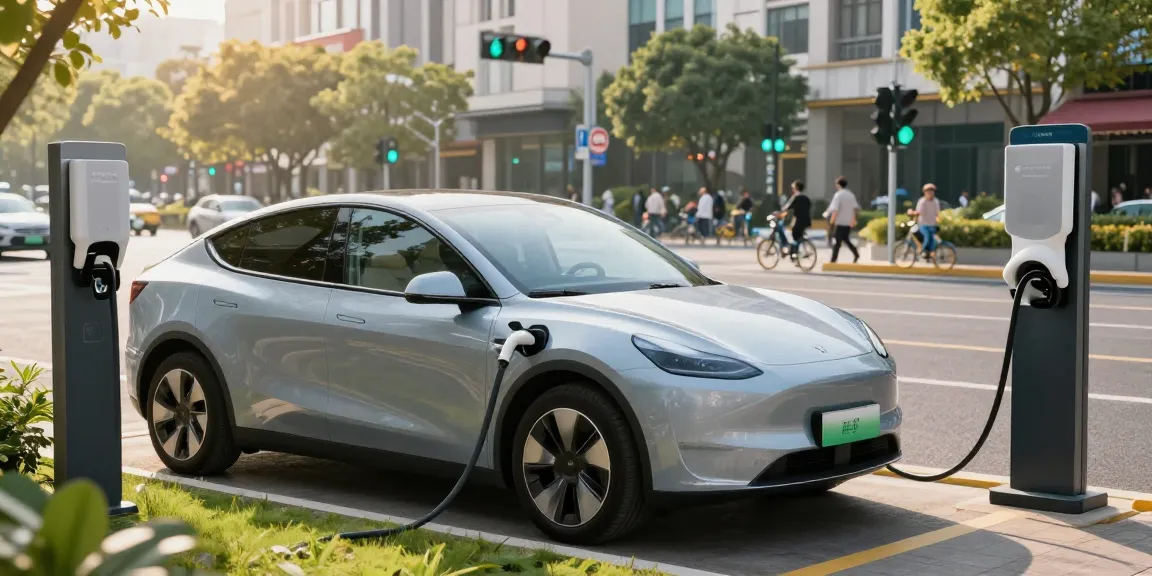
Smart charging solutions are becoming essential in urban areas where charging infrastructure is often limited. These solutions include public charging stations equipped with advanced technology that allows for faster charging times and better energy management. Innovations such as vehicle-to-grid (V2G) systems enable EVs to return electricity to the grid during peak demand times, creating a more stable energy ecosystem.
Advancements in Battery Technology for 2026
Looking toward 2026, significant advancements in battery technology are expected to emerge. Researchers are exploring options such as solid-state batteries, which could outperform traditional lithium-ion batteries by offering higher energy densities, reduced risk of fire, and faster charging capabilities. Efforts are also being made to improve battery recycling processes, ensuring that materials can be reused sustainably.
The Rise of Autonomous Electric Vehicles
Autonomous driving technology is beginning to intersect with EVs, creating a new class of vehicles that operate independently while being environmentally friendly. Major automakers and tech companies are heavily investing in developing autonomous electric vehicles, which could transform transportation as we know it by reducing traffic accidents and improving urban mobility.
Challenges Facing the EV Industry
Despite the promising potential of EV technology, several challenges must be addressed to enhance adoption rates and ensure a seamless transition to electric mobility.
High Costs and Accessibility Issues
One of the primary barriers to widespread EV adoption is the initial purchase cost. Although prices are decreasing, electric vehicles typically remain more expensive than their gasoline counterparts. Additionally, there are accessibility issues regarding charging infrastructure, particularly in rural areas where charging stations are scarce compared to urban environments.
Infrastructure and Charging Network Gaps
The current charging infrastructure is insufficient to meet the growing demand for EVs. Expanding this network is crucial, especially for long-distance travel. Initiatives to install more public charging stations and to integrate fast-charging options into residential areas are essential for facilitating a smooth transition to electric mobility.
Consumer Perceptions and Misconceptions
There exists a significant gap between consumer perception and the reality of EVs. Misconceptions regarding battery life, range anxiety, and the performance of electric vehicles can deter potential buyers. Addressing these misconceptions through education and outreach is critical for increasing consumer confidence and encouraging adoption.
Best Practices for Adopting EV Technology
For consumers considering the switch to electric vehicles, there are several best practices that can smooth the transition and maximize the benefits of EV technology.
Choosing the Right Electric Vehicle for Your Needs
Selecting the right EV involves assessing individual driving habits, daily commute distances, and budget constraints. Consumers should evaluate the range of various models, available incentives, and ownership costs over time to find the best vehicle that aligns with their lifestyle.
Understanding EV Maintenance and Care
Electric vehicles generally require less maintenance than conventional vehicles due to fewer moving parts. However, understanding the specific needs of an EV, such as battery maintenance and software updates, is essential for optimal performance. Regular consultation with certified EV service providers can ensure that the vehicle remains in peak condition.
Integrating Renewable Energy for Charging
To further enhance the environmental benefits of EV technology, integrating renewable energy sources, such as solar panels, for home charging can significantly reduce the carbon footprint associated with electric vehicles. Consumers who invest in renewable energy setups can enjoy lower charging costs and contribute to a more sustainable energy future.
The Future of EV Technology in 2026 and Beyond
Looking ahead to 2026, several predictions and emerging trends point toward the future direction of EV technology and its integration into daily life.
Predictions for EV Adoption Rates
Analysts predict a substantial increase in EV adoption rates over the next few years, driven by declining costs, expanding infrastructure, and increased consumer awareness. By 2026, it’s expected that electric vehicles will account for a significant portion of new car sales globally, marking a pivotal shift in the automotive landscape.
Emerging Technologies in the EV Space
Future developments in EV technology will likely focus on smarter vehicles, improved batteries, and enhanced connectivity features. Innovations such as 5G technology could facilitate better communication between vehicles and charging stations, optimizing charging processes and improving user experiences.
Government Policies and Support for EV Innovation
Government policies worldwide are increasingly supporting the transition to electric mobility through incentives, subsidies, and regulatory frameworks. Continued governmental support is crucial for fostering innovation and addressing challenges that may hinder the growth of the EV market.
What are the four types of EV?
The four primary types of electric vehicles include Battery Electric Vehicles (BEVs), Plug-in Hybrid Electric Vehicles (PHEVs), Hybrid Electric Vehicles (HEVs), and Fuel Cell Electric Vehicles (FCEVs). Each type has distinct characteristics designed to meet varied consumer needs and preferences.
What is the latest technology in EV?
The latest advancements in EV technology primarily focus on battery innovations, such as solid-state batteries, providing improved efficiency, safety, and charging capabilities. Other developments include enhanced vehicle-to-grid systems and advancements in autonomous driving technology.
What is EV technology?
EV technology refers to the systems, components, and software that power electric vehicles. This encompasses everything from electric motors and batteries to charging infrastructure and energy management systems.
What are the benefits of electric vehicles?
Electric vehicles are known for their environmental benefits, including reduced greenhouse gas emissions and lower air pollution. Additionally, EVs often provide lower operating costs, a quieter driving experience, and incentives for owners.
How do EVs impact the environment?
Electric vehicles contribute positively to the environment by reducing reliance on fossil fuels, thereby decreasing greenhouse gas emissions and improving air quality. However, it is critical to consider the full lifecycle of EVs, including manufacturing and battery disposal impacts, when assessing their overall environmental footprint.
